When working with chemicals and other hazardous substances, personal protective equipment (PPE) is often the final and most crucial barrier against ill health and accidents. Despite this, incorrect or inconsistent use of PPE remains one of the most common causes of incidents in the workplace.
In this article, we explain what personal protective equipment is, the legal requirements you must follow, how to choose the right protection and how to ensure that PPE is used correctly in practice.
What Is Personal Protective Equipment (PPE)?
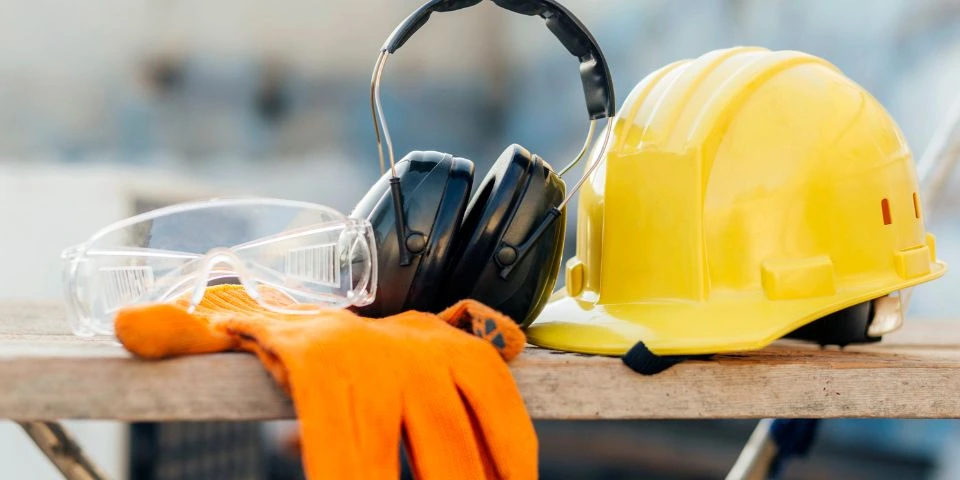
Personal protective equipment (PPE) is equipment used to protect workers from risks that cannot be eliminated by other means, for example when handling chemicals, or when exposed to noise, heat, cold or fall hazards.
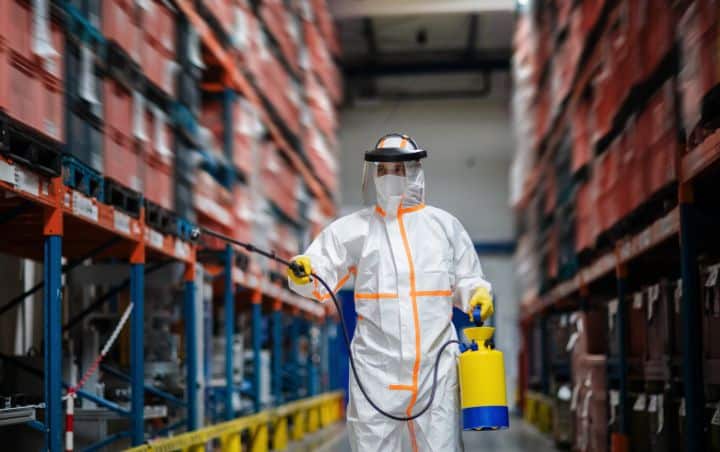
It includes everything from protective gloves, safety goggles and eye or respiratory protection to protective clothing, safety footwear and helmets. The purpose of PPE is to reduce the risk of ill health or injury by creating an additional barrier between the worker and the hazardous exposure.
Under UK law, primarily the PPE at Work Regulations 1992 (as amended in 2022) and the Control of Substances Hazardous to Health (COSHH) Regulations 2002, PPE must be suitable for the specific risk, used correctly and maintained, cleaned or replaced regularly to ensure its protective performance.
What Does the Law Say About PPE?
Employers have a clear responsibility to protect workers from chemical risks. Under the PPE at Work Regulations 1992, employers must ensure that any equipment used for protection at work is safe, suitable for the task and properly maintained.
PPE must not be used as a substitute for other risk-reduction measures. Risks must first be reduced through technical and organisational controls. Only when these measures are insufficient should PPE be used as the final layer of protection.
In chemical handling, COSHH also plays a central role, alongside UK REACH and the GB CLP Regulation. Section 8 of the Safety Data Sheet specifies which personal protective measures are required when handling a substance or mixture ,for example which type of gloves, respiratory filters or protective clothing should be used.
The law requires the employer to:
- Provide suitable PPE to employees free of charge.
- Assess the risks and select PPE that is appropriate for the specific task.
- Inform, instruct and train employees in how to use the equipment correctly.
- Ensure that PPE is maintained, inspected and stored in a way that preserves its protective performance.
Hazard Pictograms Point the Way to the Right Protection
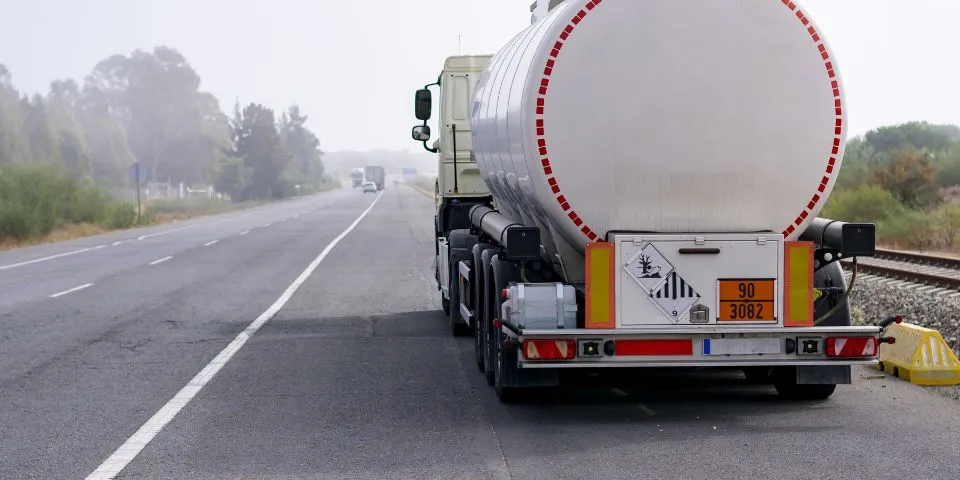
Hazard pictograms on chemical products provide essential information about the risks associated with a substance, for example whether it is corrosive, toxic, flammable or harmful to health. These symbols, defined under the GB CLP Regulation, act as a quick guide to the type of protective equipment required.
A pictogram indicating corrosive substances, for instance, may signal the need for chemical-resistant gloves and safety goggles, while a health hazard may require respiratory protection and good ventilation.
By interpreting hazard pictograms together with the information provided in Section 8 of the Safety Data Sheet, you can more easily select the correct PPE and minimise the risk of exposure.

In this article, we walk through the different hazard pictograms, what they mean and how they are used.
How to Choose the Right Personal Protective Equipment
Choosing the right protective equipment starts with a thorough risk assessment. Identify which chemicals are used, how they are handled and the possible routes of exposure. Based on this, you can determine which equipment is required, for example gloves, safety goggles, respiratory protection, protective clothing or safety footwear.
Section 8 of the Safety Data Sheet provides information on protective measures and personal protective equipment. It is important to follow these instructions carefully to minimise exposure.
Example: If the Safety Data Sheet specifies “nitrile rubber gloves”, you should not opt for disposable latex gloves, they often provide insufficient protection against solvents.
Make sure that the equipment:
Is suitable for the specific risk (e.g., the correct glove material for solvents)
Is CE-marked and meets the relevant standards
Fits the user properly and is used correctly
Common Mistakes to Avoid
Despite clear regulations, many mistakes are still made when using personal protective equipment, often due to inadequate routines, limited knowledge or a lack of follow-up. A common issue is selecting the wrong type of protection, such as gloves made from unsuitable materials or filters that do not protect against the correct type of gases or particles. This can create a false sense of security and increase the risk of exposure, even when workers believe they are protected.
Another frequent problem is inconsistent use of PPE. This may be because equipment is perceived as uncomfortable, procedures are unclear, or employees have not received sufficient training on when and how PPE should be used. In some cases, equipment is only worn during obviously hazardous tasks, despite the fact that chemical exposure often occurs during seemingly simple or routine activities.
There is also often a lack of up-to-date documentation on which PPE is used, when it was purchased and when it was last inspected. Without this oversight, it becomes difficult to ensure the equipment still meets the requirements set out in the PPE at Work Regulations and COSHH.
Finally, inspection and maintenance are frequently overlooked. Depending on the type of equipment, wear and tear occurs at different rates. With frequent use or contact with chemicals, it is especially important that PPE is checked and replaced regularly. By establishing clear procedures, training staff and documenting equipment digitally, for example via iChemistry, these common mistakes can be avoided and safety strengthened across the organisation.
Avoid the following mistakes:
- Using the wrong type of protection – for example, an incorrect filter or unsuitable glove material
Inconsistent use of PPE due to unclear procedures or insufficient training
Missing or outdated documentation
Failing to inspect equipment regularly or replace it when needed
Safety Starts with Training
The right protective equipment is of little use if it is not used correctly. This is why training is a vital part of effective chemical safety. Employees need to understand why PPE matters, how it should be used and the risks associated with incorrect handling.
At Intersolia, we offer a range of training courses that strengthen both knowledge and safety culture, including chemical management, risk assessment, environmental and workplace legislation, and dangerous goods. Through practical examples and clear procedures, you can quickly become more confident and independent in your role.
Common Questions About Personal Protective Equipment
What Is Personal Protective Equipment?
Personal protective equipment includes items such as protective gloves, safety goggles, respiratory protection, protective clothing, safety footwear and helmets. The purpose is to reduce the risk of ill health or injury by creating an additional barrier between the worker and hazardous exposure.
What Does PPE Mean?
PPE stands for Personal Protective Equipment, the term used to describe equipment that protects workers from hazardous exposures. The abbreviation is commonly used across all industries.
What Are Examples of Personal Protective Equipment?
Examples of personal protective equipment include gloves, safety goggles, face shields, respiratory protection, hearing protection, safety footwear, helmets and protective clothing such as coveralls or aprons.
When Should Personal Protective Equipment Be Used?
Personal protective equipment should be used when risks cannot be eliminated through other measures, such as technical controls or changes to work procedures.
When working with chemicals, noise, dust, heat, cold or risks of splashes or falls, PPE acts as the final layer of protection between the worker and the hazard.
Who Is Responsible for Providing Personal Protective Equipment?
It is the employer’s responsibility to provide personal protective equipment when risks cannot be avoided in any other way.
The equipment must be free of charge for employees, suitable for the specific risk and maintained so that it retains its protective performance.
The employer must also ensure that employees receive instructions and training in how to use the equipment correctly.
Which UK regulations govern the use of personal protective equipment?
Personal protective equipment is regulated in the UK by the Personal Protective Equipment at Work Regulations 1992 (as amended in 2022). These regulations set out the requirements for selecting, using, maintaining and inspecting PPE to ensure that workers are protected from risks that cannot be controlled by other measures.
For chemical risks, the Control of Substances Hazardous to Health (COSHH) Regulations 2002 also apply, requiring employers to ensure that PPE is used correctly and only as a last line of defence after other control measures have been considered.
Do you have any questions? We are here!
Our EHS consultants have extensive experience in environmental and chemical safety work and are here to help you improve safety and ensure legal compliance. We also offer training in environmental and workplace legislation, REACH, chemical management and risk assessment.
Do you have any questions? Don’t hesitate to contact us by clicking the button below or emailing us directly at consulting@intersolia.com.