What is Personal Protective Equipment (PPE)?
Personal Protective Equipment commonly known as PPE refers to gear and clothing worn or held by individuals to protect them from hazards in the workplace that cannot be eliminated by other means. This includes items such as gloves, safety goggles or face shields, respirators, protective clothing or coveralls, safety footwear, helmets and other protective items depending on the nature of the hazard.
PPE is used whenever employees face risks that cannot be fully controlled via technical measures or safe work procedures – for example when handling chemicals, dealing with noise, extreme temperatures, dust, falling objects, or other hazardous working conditions. The purpose of PPE is to create an additional barrier between the worker and the hazardous exposure, thereby reducing the risk of injury, illness, or harmful exposure.
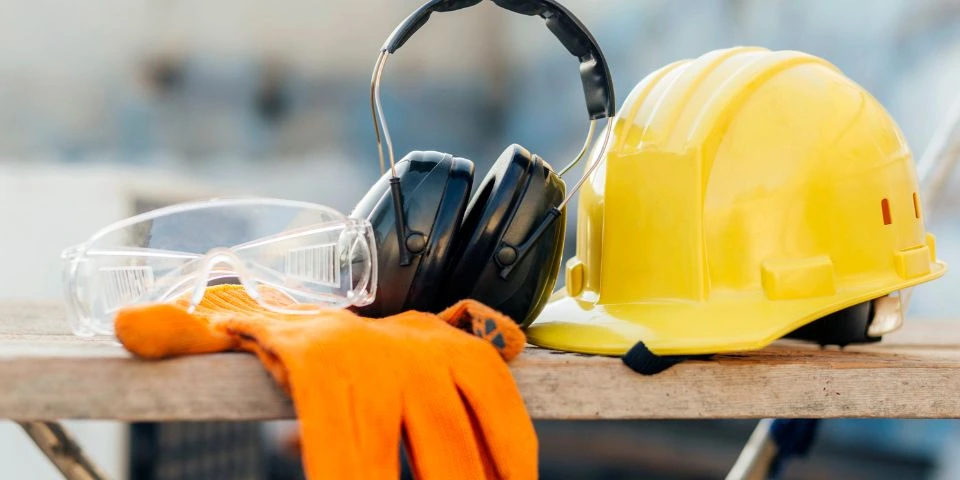
Why Is Personal Protective Equipment (PPE) Important?
Even in workplaces where risks have been reduced through engineering controls or organizational measures, some hazards remain. PPE becomes the last line of defence when those measures are insufficient. By wearing appropriate PPE, workers significantly reduce the chances of serious injuries, chemical exposure, inhalation of toxic substances, burns, physical trauma, or long-term occupational illnesses.
When PPE is selected correctly – matching the specific risks involved, and used consistently and properly, it helps ensure safe handling of hazardous substances, protects against unknown dangers, and supports overall workplace safety culture. Importantly, PPE must be provided by the employer (free of charge), be suitable for the specific task, maintained and replaced or cleaned regularly to retain protective function.
However, PPE has its limitations: it does not remove the hazard at its source it only reduces exposure risk. If PPE is poorly fitted, incorrectly used, or poorly maintained, it can give a false sense of security, which might lead to accidents or chronic health problems over time.
In chemical-handling contexts, PPE is particularly crucial. When technical or organizational controls do not fully eliminate chemical risk, PPE (gloves, goggles, respirators, protective clothing) becomes essential for safe handling.
Learn more:
Do you have any questions? We are here!
Our EHS consultants offer expert guidance in all aspects of chemical management – from risk assessment and substitution to compliance with REACH and other regulations. We also provide training to strengthen your knowledge in safety, legislation, and chemical handling.
Do you have any questions? Don’t hesitate to contact us by clicking the button below or emailing us directly at consulting@intersolia.com.