What is PFAS?
PFAS is a collective term for per- and polyfluorinated alkyl substances, a very large group of synthetic chemicals with over 10,000 identified substances. They are characterized by a chemical structure where hydrogen has been replaced by fluorine in carbon chains, which creates extremely stable bonds. This very stability means that PFAS are hardly broken down in nature or in living organisms. Therefore, they are often called “forever chemicals.” PFAS were developed to give materials high water-, grease-, and dirt-repellence as well as heat resistance, and have become widespread in both industry and consumer products.
Where is PFAS found?
PFAS are used in products where durability and surface-repellent properties are desired. Examples of consumer products in which PFAS occur are water- and dirt-repellent clothing and textiles, shoes, upholstery fabrics, carpets, and sports equipment. They are also found in cosmetics and skincare products, non-stick coatings, cleaning agents, waxes, and paints. The packaging industry uses PFAS in grease-repellent paper and cardboard, such as fast-food packaging and baking paper.
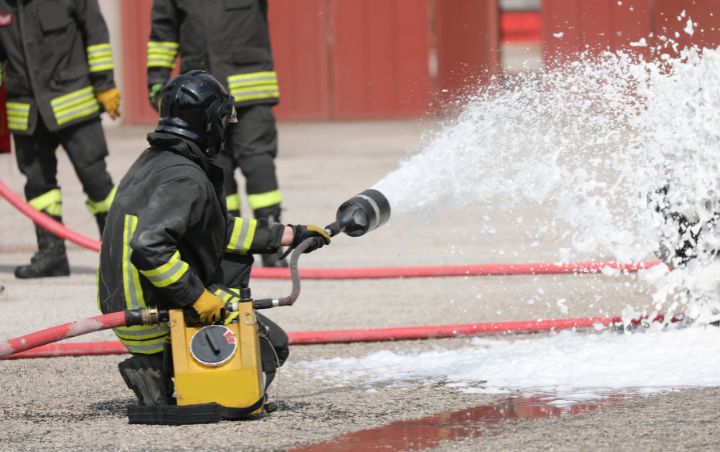
Industry uses PFAS among other things in electronics, medical technology products, solar cell components, vehicle parts, and advanced lubricants. Firefighting foam is a well-known source of major emissions, especially where fires involving flammable liquids have been fought. Therefore, many areas where foam has been used have received elevated levels in soil, groundwater, and drinking water. PFAS have been found all over the world – even in remote and untouched areas such as the Arctic – which shows how easily the substances spread and how long-lived they are.
How are PFAS identified?
Identifying PFAS is challenging because the substance group is so extensive and many variants do not appear in traditional chemical tests. Several methods and strategies are used:
- Analysis of safety data sheets and product information: Some PFAS are declared with chemical names, but far from always. Signal words such as “fluorinated,” “fluoropolymer,” “PTFE,” “F-” at the beginning of a chemical name, or terms such as “dirt-/water-repellent treatment” may indicate PFAS content.
- Areas of use as indicators: If a product has water-, grease- or dirt-repellent properties, or is supposed to withstand very high heat or chemical exposure, the likelihood that PFAS is used increases.
- Laboratory testing: For reliable results, advanced laboratory analyses of PFAS levels in products, soil, water, or biological material are required. These tests are often necessary in cases of suspected emissions or in industries with high requirements for chemical control.
- Simplified screening methods: Some companies and authorities work with test methods that can give an initial indication of whether PFAS are present, even if they do not identify individual PFAS substances.
The need for reliable identification increases as PFAS are to be phased out and replaced. Alot of organizations therefore work actively with chemical data, labelling, supplier inquiries, and substitution strategies.
Learn more:
Do you have any questions? We are here!
Our EHS consultants offer expert guidance in all aspects of chemical management — from risk assessment and substitution to compliance with REACH and other regulations. We also provide training to strengthen your knowledge in safety, legislation, and chemical handling.
Do you have any questions? Don’t hesitate to contact us by clicking the button below or emailing us directly at consulting@intersolia.com.