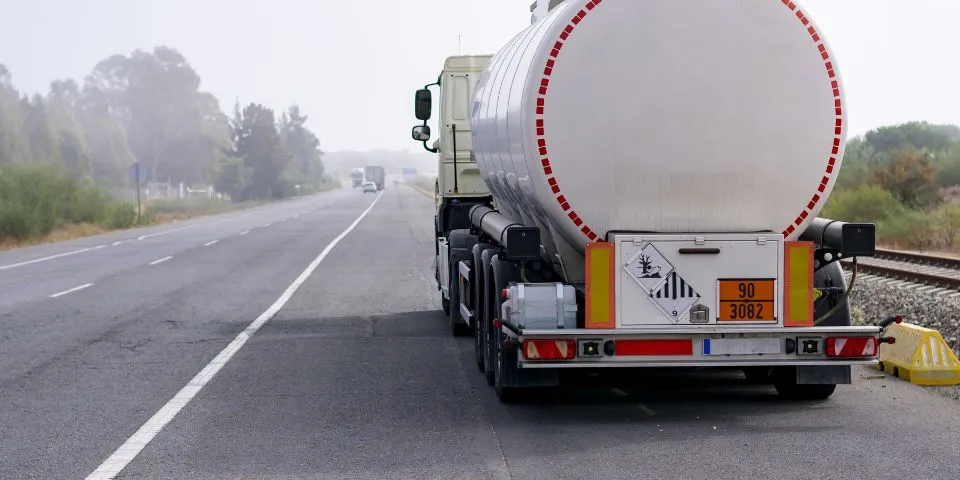
Safe chemical management is not just about complying with regulations, it is about creating a safe, efficient and sustainable working environment. Many workplaces already handle chemicals on a regular basis, yet still miss critical parts of the process that affect both safety and compliance.
In this article, we walk through six key elements of chemical management that must be in place, regardless of industry or organisation size.
1. Identify All Chemical Risk Sources
Remember to map all chemical risks within your organisation. It is easy to focus solely on chemical products stored on shelves, but many of the most significant risks arise in processes, residues and work activities, where hazardous substances are generated, released or change over time.
A thorough inventory therefore means looking beyond the label and identifying chemical hazards both as products and as by-products of work activities. This is a core element of effective chemical management.
Examples of Risk Sources That Are Often Overlooked:
- Waste and spill materials that may contain hazardous residues
- Welding fumes, metal particles and grinding dust that may be harmful if inhaled
- Exhaust gases from machinery and combustion engines, such as diesel exhaust
- Impregnated surfaces and treated materials that may release chemicals during processing
- Mould spores and substances from micro-organisms, for example in cutting fluids or damp environments
- Oxygen-deficient atmospheres in confined spaces or tanks, where there is a risk of asphyxiation
2. Keep Safety Data Sheets and Labelling Up to Date
Under UK legislation, all chemicals used in the workplace must be accompanied by up-to-date and accurate Safety Data Sheets (SDS). SDSs must be available in English and kept current whenever new information becomes available, for example following changes in classification, composition or regulatory requirements.
The information must be easy to find, understand and use by everyone who comes into contact with the product, from operators and maintenance staff to managers and safety representatives.
Product labels and GB CLP labelling must also be clear and correct, enabling users to quickly identify hazards and required protective measures directly on the packaging. Ensuring that SDSs and labelling are accurate and accessible is a key step towards safer and more compliant chemical management.
Read more about hazard pictograms and how to interpret them.
3. Carry Out a Structured Risk Assessment
Understanding the hazards associated with a chemical is only the first step in chemical management. What ultimately determines the real level of risk is how, where and to what extent the substance or product is used in practice. A well-considered and documented risk assessment helps you identify situations that require additional protection, determine which control measures are needed, and prevent incidents and ill health effectively.
Remember that risk assessments must be documented, reviewed and updated whenever changes occur in processes, products or working methods.
When carrying out a risk assessment, you should consider:
The hazardous properties of the substance (hazard statements)
Routes of exposure (skin contact, inhalation, splashes, airborne exposure)
Method of use (spraying, pouring, mixing)
Quantity and frequency of use
Ventilation and technical control measures
Workplace procedures and employee competence
A substance may be hazardous without necessarily posing a high risk. The same applies to substances that are not inherently hazardous but where the way they are used can still give rise to risks.

Hidden Chemical Risk Sources – What Are They?
In this article, we explain what hidden chemical risk sources may exist and provide practical tips on how to identify and manage them.
4. Adapt Working Methods and Technical Control Measures
Once risks have been identified through a risk assessment, the next step is to ensure that appropriate control measures are implemented. This means establishing working methods and a work environment where the risk of exposure is kept as low as reasonably practicable, both for the individual and for the organisation as a whole.
In chemical management, the principle is to always prioritise engineering controls and adapted working methods over personal protective equipment (PPE). These measures provide long-term, robust and effective protection and reduce reliance on individual behaviour and routines.
Personal protective equipment remains important, but it should be regarded as the last line of defence when risks cannot be eliminated or sufficiently reduced by other means.
Examples of Preventive Technical and Organisational Measures May Include:
Closed systems to prevent direct contact with chemicals
Process ventilation to maintain safe air quality
Local exhaust ventilation (LEV) at the source to minimise dispersion
Selection of application methods that reduce aerosol formation and splashing
Spill and leak containment measures to capture chemicals before they spread
5. Ensure Proper Storage and Waste Handling
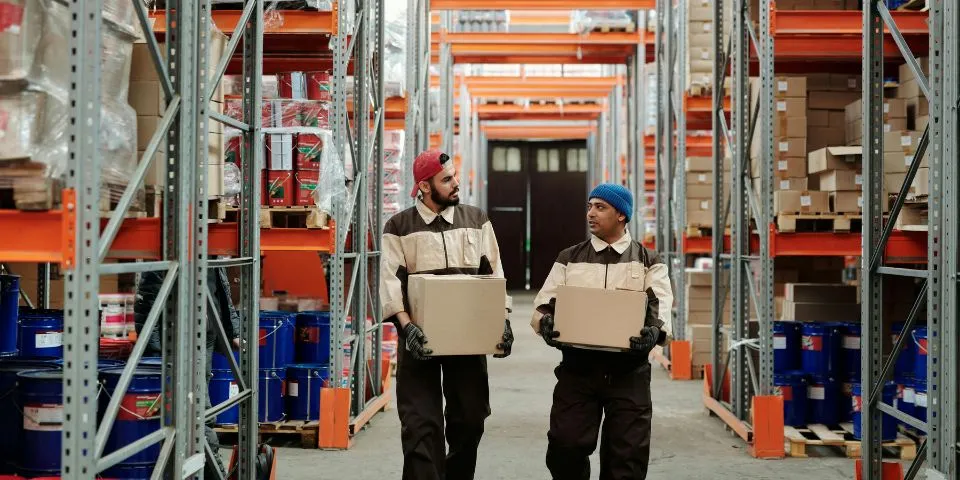
Storage and waste handling are two areas of chemical management where many organisations receive non-compliance findings during inspections. Poor organisation, incompatible storage or inadequate procedures for spills and residues can quickly lead to occupational health risks, environmental impact and, in the worst cases, accidents.
Storage areas must be clearly labelled in accordance with GB CLP, and chemicals must be stored in a way that minimises the risk of leaks, spills and dangerous reactions. Proper storage and waste handling are not only a matter of compliance, but also of good order and safety, making it easier for employees to do the right thing.
Correct handling helps ensure a safe working environment, protects the environment and supports compliance with both COSHH and environmental regulations.
Read more about how to store chemicals correctly.
Make sure that:
Chemicals are stored below eye level, especially corrosive substances
Compatible storage rules are followed to prevent dangerous reactions
Spill containment and spill response equipment are in place wherever liquid chemicals are handled
Spill materials, rags and absorbents are classified and disposed of as hazardous waste
Containers are intact, correctly labelled and kept closed when not in use
Waste containers are clearly labelled and located close to areas of use
6. Plan for Maintenance, the Often Overlooked Risk
Maintenance work represents a frequently underestimated risk in chemical management. Unlike day-to-day operations, maintenance activities often involve tasks where personnel may come into direct contact with chemicals remaining in pipework, tanks, pumps, filters, machinery or process equipment. This may also include exposure to vapours, residues on surfaces or spills that are not immediately visible.
For this reason, maintenance activities need to be assessed separately and handled with particular care, even if the tasks are carried out infrequently.
Make sure that:
Maintenance activities are included in the risk assessment, with clearly defined work tasks and control measures
Specific procedures and instructions are in place, for example for draining, cleaning, opening systems or replacing filters
Processes are shut down and cleaned before work begins, where reasonably practicable
Additional personal protective equipment is used where required, such as gloves, splash protection, respiratory protection or chemical protective clothing
Only authorised and competent personnel carry out the work, with appropriate knowledge of chemical risks
Do you have any questions? We are here!
Our EHS consultants have extensive experience in environmental and chemical management work and are here to help you improve safety and ensure legal compliance. We also offer training in environmental and workplace legislation, REACH, chemical management and risk assessment.
Do you have any questions? Don’t hesitate to contact us by clicking the button below or emailing us directly at consulting@intersolia.com.