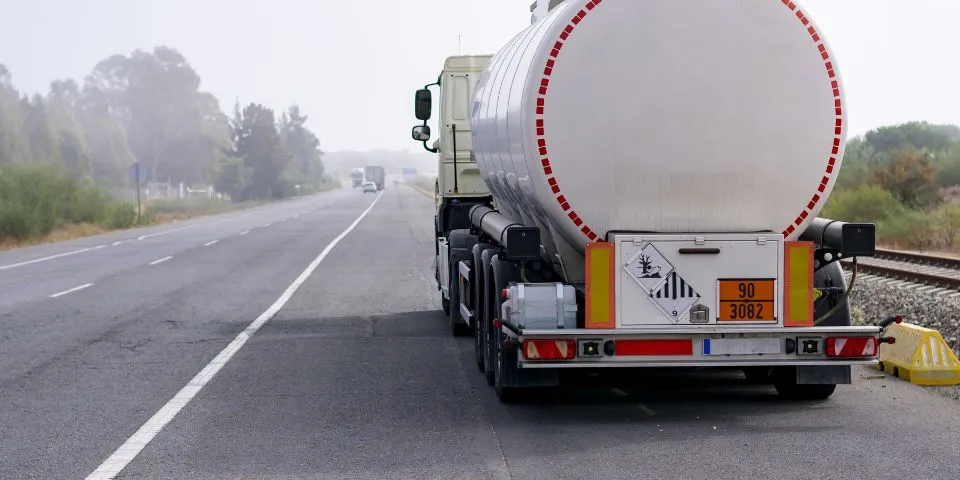
Transporting and handling dangerous goods always involves risks, both to people and to the environment. This is why legislation places clear requirements on companies involved in these activities. One of the most important roles for ensuring safety and regulatory compliance is that of the Dangerous Goods Safety Adviser (DGSA).
This article explains the function of the DGSA, their responsibilities, and why their work is essential.
What Is a Dangerous Goods Safety Adviser?
A Dangerous Goods Safety Adviser (DGSA) is a specialist whose primary role is to ensure that organisations handling or transporting dangerous goods comply with all relevant safety requirements and legal obligations.
Among other duties, the adviser is responsible for:
Ensuring compliance with dangerous goods regulations.
Providing guidance to management on the safe handling and transport of dangerous goods.
Establishing and reviewing procedures for safe transport and operational handling.
Preparing annual reports on the organisation’s dangerous goods activities.
Reporting accidents and incidents involving dangerous goods.
Certification and Validity
To act as a Dangerous Goods Safety Adviser (DGSA), the individual must pass an accredited certification examination and hold a valid certificate. This certificate is valid for five years, after which it must be renewed by successfully completing a new examination.

What Does a Dangerous Goods Safety Adviser Do?
A Dangerous Goods Safety Adviser (DGSA) has clearly defined responsibilities and specific tasks. These include:
Ensuring that the organisation complies with all applicable regulations for the handling and transport of dangerous goods.
Advising senior management on safety matters related to dangerous goods.
Making sure that appropriate procedures are in place for the safe handling and transport of dangerous goods.
Preparing an annual report on the organisation’s dangerous goods activities, which must be submitted to management.
Being responsible for reporting any accidents or incidents involving dangerous goods.
However, it is important to note that the DGSA does not hold ultimate responsibility; this always remains with the organisation’s management.
Right Now! Get a Free Compliance Assessment
Dangerous Goods Safety Adviser
Together with our partner Chemwise, we offer highly experienced Dangerous Goods Safety Advisers who can support your organisation either as an external DGSA or as a sounding board if you already have one in-house. At the moment, you can receive a free assessment to determine whether your organisation is subject to the requirement.
When Is a Dangerous Goods Safety Adviser Required?
Under UK law, specifically the Carriage of Dangerous Goods and Use of Transportable Pressure Equipment Regulations 2009 (CDG 2009), any company involved in the transport chain of dangerous goods must appoint a Dangerous Goods Safety Adviser (DGSA) if their activities meet the thresholds set out in the regulations. This applies to organisations acting as consignors, carriers, loaders, packers or unloaders of dangerous goods.
A DGSA is required to help prevent accidents and incidents during the transport of dangerous goods, ensuring a safe working environment and minimising risks to both people and the environment.
What Does Transport of Dangerous Goods Involve?
Transport of dangerous goods is defined as the movement of dangerous goods by any mode of transport. This does not only include the actual movement, but also all associated activities such as loading, unloading, temporary storage and any other handling that forms part of the transport process.
However, handling that takes place solely within the site where the goods are produced, stored or consumed is not regarded as transport under the regulations.

In this article, we explore what dangerous goods actually are and how they are classified under international regulations.
How Many Dangerous Goods Safety Advisers Does an Organisation Need?
Under UK law (CDG 2009), an organisation must appoint at least one Dangerous Goods Safety Adviser (DGSA) if its activities fall within the scope of the regulations. However, the legislation does not limit the number of advisers a company may have.
The appropriate number of DGSAs depends on the size, nature and complexity of the organisation’s operations. Larger or more complex businesses may require more than one adviser to effectively manage safety and compliance across all areas of the supply chain.
Do you have any questions? We are here!
Our EHS consultants have extensive experience in environmental and chemical management work and are here to help you improve safety and ensure legal compliance. We also offer training in environmental and workplace legislation, REACH, chemical management and risk assessment.
Do you have any questions? Don’t hesitate to contact us by clicking the button below or emailing us directly at consulting@intersolia.com.