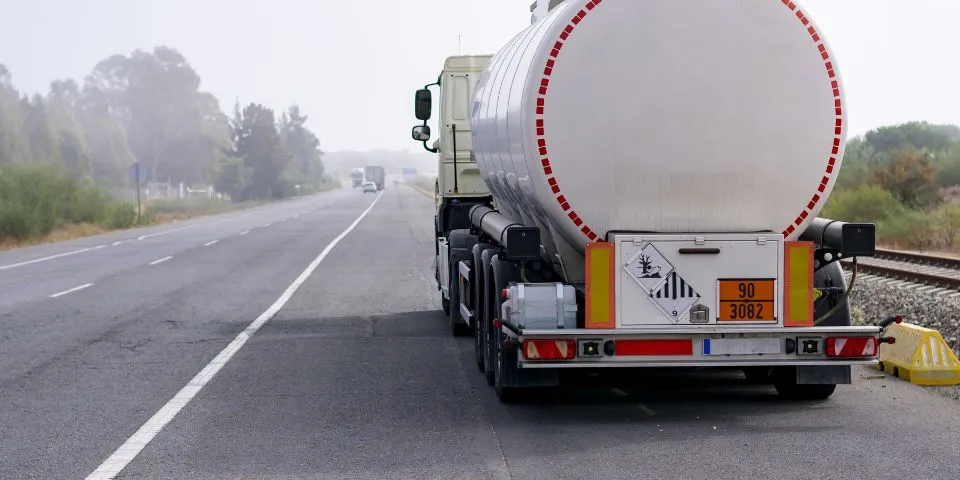
Handling chemicals safely is essential for protecting employees’ health, the environment and your organisation’s regulatory compliance. With clear procedures and systematic documentation, you can prevent accidents and create a safer working environment.
In this article, you’ll find a complete overview of chemical management, including inventory work, risk assessment, storage, training and legal requirements.
What Is Chemical Management?
Chemical management covers the entire lifecycle of chemical products, from receipt, use and storage to transport, documentation and waste handling. The goal is to ensure that chemicals are managed safely and in a controlled manner so that both people and the environment are protected from potential hazards.
The purpose of chemical management is not only to comply with laws and regulations, but also to create a safe working environment where staff can work efficiently without unnecessary risks. By establishing clear routines for handling, labelling, storage and risk assessment, organisations can prevent accidents, spills and exposure to hazardous substances.
Chemical management is also an important part of sustainability work. By systematically documenting chemicals, choosing less hazardous alternatives and reducing waste, organisations contribute to a safer workplace and a reduced environmental footprint. Investing time and resources in proper chemical management is therefore not only a legal requirement, it is also a strategic step towards long-term safety, efficiency and sustainability across the entire organisation.
What Are the Requirements for Chemical Management?
Handling chemicals safely and legally in the UK means complying with several regulatory frameworks designed to protect workers, the environment and the public. The most important regulations include:
The Health and Safety at Work etc. Act 1974
This is the foundation of all occupational health and safety legislation in the UK. It requires employers to manage risks arising from hazardous substances and ensure safe working conditions.
COSHH – Control of Substances Hazardous to Health Regulations 2002
COSHH is the central regulation governing how hazardous substances must be assessed, controlled and documented. It includes requirements for:
Chemical risk assessments
Safe storage and handling
Labelling and Safety Data Sheets
Monitoring and health surveillance
Selection and use of PPE
Employee information and training
Complying with COSHH ensures that chemical management is systematic, controlled and properly recorded.
UK REACH and CLP (GB CLP)
Following Brexit, the UK now operates its own versions of REACH and CLP. UK REACH and GB CLP mirror the EU REACH and CLP systems, but operate independently and require compliance with Great Britain’s own regulatory processes.:
UK REACH regulates the registration and use of chemical substances in Great Britain.
GB CLP Regulation governs the classification, labelling and packaging of chemicals, ensuring that hazards are clearly communicated to users.
In addition to these regulations, industry-specific standards, internal policies and ISO certifications can also influence how chemicals must be managed. For example, laboratories, industrial operations and transport companies may have their own procedures that go beyond legal requirements in order to improve safety and efficiency.
Complying with these requirements is not only a legal obligation, it is also an investment in a safer working environment, risk reduction and sustainable chemical management. By combining statutory requirements with internal procedures, organisations create a structure that helps prevent accidents, spills and health risks.
Procedures for Chemical Management
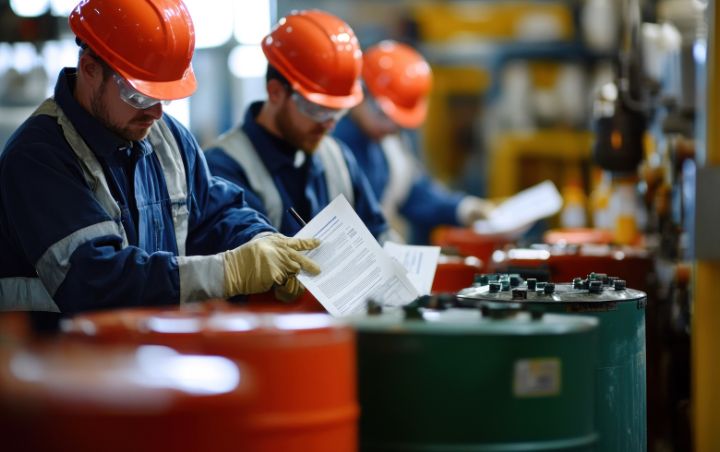
Clear procedures are the foundation of safe chemical management. All chemicals should be documented with information on quantity and use, stored correctly in approved cabinets and labelled with hazard symbols and safety information. Risk assessments help identify hazards and plan preventive measures, while training ensures that employees know how to handle chemicals safely.
Together, these elements create a safe working environment and ensure compliant, efficient chemical management. Read more about each procedure below:
Chemical Inventory
The chemical inventory is the foundation of effective chemical management. You need to document all chemicals used within the organisation, including quantities and intended use, to maintain full oversight of the flow of chemical products.
A chemical inventory should include:
Product name and composition
Classification and hazard pictograms
Storage location and quantity
Intended use or application
Keeping the inventory up to date supports risk assessments, internal controls and reporting to authorities.

In this article, we explain why maintaining a chemical inventory is so important and how to get started in six clear steps.
Chemical Storage
Proper storage of chemicals in your organisation is essential for minimising risks. Some key points include:
Certain chemicals must not be stored together. For example, flammable liquids should not be kept near easily ignited materials, and acids must be stored separately from bases.
Use lockable, ventilated chemical storage cabinets.
Store chemicals in a way that ensures only authorised personnel have access to them.
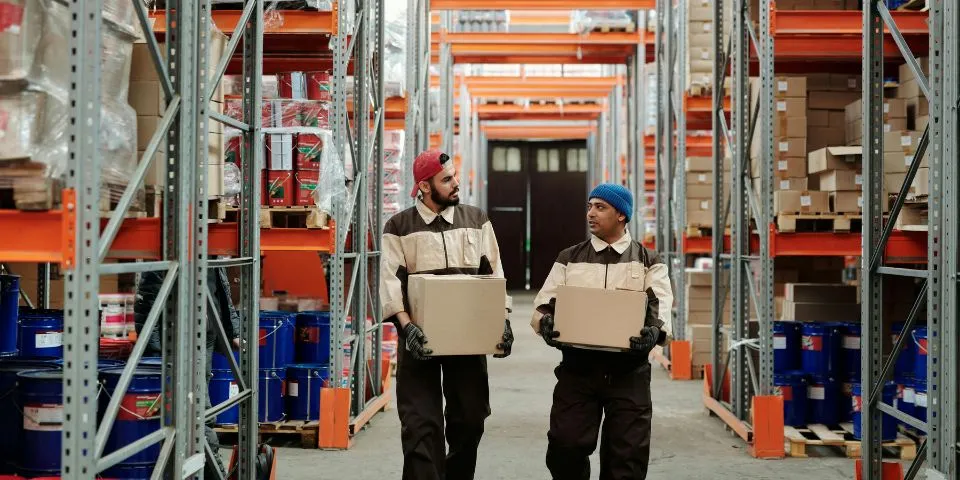
In this article, you’ll find five key tips to help ensure your chemicals are stored correctly.
Labelling and Hazard Pictograms
ChatGPT sade:
Hazard pictograms help employees quickly identify risks and take the appropriate protective measures. It is therefore essential that everyone who may come into contact with chemicals in your organisation understands what the different pictograms mean and what they imply.
Labelling must follow CLP requirements and include:
Product name and composition
Hazard pictograms and signal words
Safety information

In this article, we explain the different hazard pictograms, when they must be used and the rules governing chemical labelling.
Risk Assessments
Risk assessment involves systematically identifying hazards and evaluating risks, and it is a mandatory requirement. In simple terms, the following steps must be carried out:
Identify the chemicals and work tasks involved
Assess exposure and potential harm
Implement preventive measures, such as PPE, ventilation or substitution
Document the assessment and follow up regularly
In this article, we explain how to carry out a chemical risk assessment and what you need to consider throughout the process.
Training
ChatGPT sade:
It is essential that anyone who handles chemicals receives appropriate training. Among other things, employees must understand:
How to read and interpret Safety Data Sheets (SDS)
How to use protective equipment correctly
How to manage spills and incidents
The risks associated with chemical substances
Utbildningar
Hitta rätt utbildning för er verksamhet
Vi erbjuder flera olika utbildningar inom området. Läs mer om utbildningarna och anmäl dig eller din personal till nästa tillfälle, eller beställ en anpassad utbildning till er verksamhet!
Safety Data Sheets and Workplace Safety Instructions
Both Safety Data Sheets and workplace safety instructions are essential for maintaining a safe working environment. They help reduce risks, prevent accidents and ensure that the organisation meets legal requirements.
Safety Data Sheets
Safety Data Sheets (SDS) are a central tool in all chemical management. They contain detailed information about a substance’s properties, potential health risks, environmental impact, correct handling and storage, and the emergency measures required in the event of a spill or exposure.
An SDS must always be easily accessible to all personnel who handle chemicals, as it forms the basis for both risk assessments and training. By using SDSs, employers can ensure that employees are well informed about the hazards associated with each chemical and know how to act in an emergency.
Workplace Safety Instructions
Workplace safety instructions are a shorter and more practical version of the Safety Data Sheet, used in daily operations. They summarise the most important safety information, such as correct use of personal protective equipment, storage advice and first-aid measures. This allows staff to quickly access essential guidance without needing to read the full SDS every time.

Requirements for a Chemical Inventory
All organisations that handle chemicals are required to maintain an up-to-date and accurate chemical inventory. The inventory is a key tool in chemical management and provides an overview of all chemical products used, stored or transported within the organisation.
A chemical inventory must contain at least:
Product name and composition – clear identification of each chemical, including substance names and concentrations
Hazard pictograms and signal words – classification information under CLP, enabling staff to quickly understand which chemicals require extra caution
Storage location and quantity – where the product is stored and how much is kept on site, supporting safe storage, inventory control and traceability
A correct and well-maintained chemical inventory is essential for a safe working environment, effective internal control and regulatory reporting. It provides the foundation for risk assessments, storage planning, procurement and staff training. It also simplifies the process during regulatory inspections.

Tips for Improving Chemical Management
In addition to basic procedures and legal requirements, there are several ways to strengthen safety, efficiency and sustainability in your chemical management. Here are some key areas to focus on:
Transport and Logistics
Safe internal and external transport of chemicals is essential to prevent spills, accidents and exposure. Some chemicals are also subject to dangerous goods transport regulations. Ensure you have clear procedures for transport, labelling, loading and unloading, and that all staff are trained in correct handling during transport.
Chemical Substitution
Assess whether hazardous chemicals can be replaced with less hazardous alternatives. Actively choosing safer products reduces the risk of accidents, long-term health issues and environmental impact. Substitution is also an important part of sustainable chemical management and can support compliance with REACH requirements.
Spill Response and Emergency Procedures
Clear procedures for handling spills, leaks or other incidents are crucial. This includes access to emergency equipment, the ability to isolate and clean up chemicals quickly, and clear instructions for reporting and follow-up.
Environmental Considerations
Reduce chemical emissions, waste and energy use through smart routines and preventive measures. Proper storage, chemical recycling and thorough documentation can help your organisation operate more sustainably and with lower environmental impact.
Digital Tools
Use a chemical management system to gain better oversight of your chemical inventory, risk assessments, Safety Data Sheets and training. Digital systems streamline updates, traceability and reporting, making it easier to ensure compliance with legal requirements.
Annual Review and Follow-Up
Check that all procedures, documentation, workplace safety instructions and Safety Data Sheets are updated at least once a year. Regular reviews help identify improvement areas, ensure compliance and reduce the risk of workplace incidents.
By combining these tips with fundamental procedures and statutory requirements, organisations can establish systematic and sustainable chemical management practices. This leads to increased employee safety, reduced environmental impact and better control over the flow of chemicals within the organisation.
Do you have any questions? We are here!
Our EHS consultants have extensive experience in environmental and chemical safety work and are here to help you improve safety and ensure legal compliance. We also offer training in environmental and workplace legislation, REACH, chemical management and risk assessment.
Do you have any questions? Don’t hesitate to contact us by clicking the button below or emailing us directly at consulting@intersolia.com.