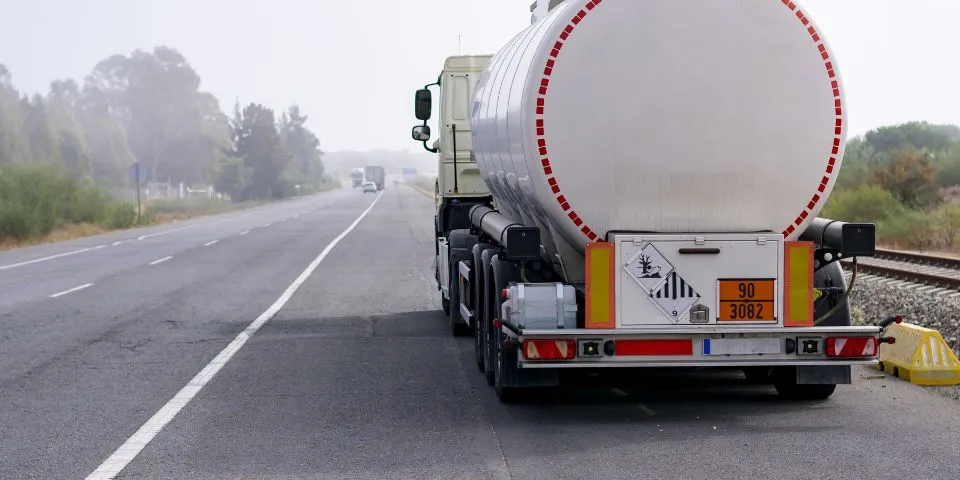
Allergens and chemical products are present in many workplaces – often without the risks being fully understood. Incorrect handling can lead to serious health consequences for employees, such as contact dermatitis, asthma and chronic allergy. At the same time, legislation places clear obligations on employers regarding risk assessment, training and health surveillance.
In this article, the term “allergens” refers to chemical substances that can cause allergic reactions in the workplace and are classified as skin or respiratory sensitisers under the CLP Regulation (H317 and H334). We summarise the key legal requirements, highlight the risks involved and provide practical guidance on how to protect your employees.
What Are Allergens in the Workplace?
Allergens are substances that can trigger an allergic reaction when they come into contact with the body. Exposure may occur through skin contact, inhalation and, in some cases, ingestion.
In occupational settings, exposure mainly affects the skin and respiratory system. Common health effects include contact dermatitis, asthma, coughing, breathing difficulties and irritation of the airways. A particularly serious aspect of occupational allergy is that it is often chronic. Once a person has become sensitised, they may no longer be able to work with certain products at all.
There are significant individual differences in how easily allergy develops and how severe symptoms become, which makes preventive and systematic risk management especially important.

Thermosetting Plastics – a High-Risk Group of Allergens
Thermosetting plastics are widely used in industry due to their durable and hard-wearing properties. Unlike thermoplastics, they cannot be remelted once they have cured.
During the curing process, reactive substances known as monomers form long molecular chains. These monomers pose a particularly high risk of sensitisation and are therefore considered important chemical allergens, especially through skin contact and inhalation.
Examples of thermosetting plastic components associated with specific health and regulatory requirements include:
- diisocyanates
- cyanoacrylates
- epoxy and epoxy resins
- formaldehyde
- organic acid anhydrides
Many of these substances are classified as skin sensitisers and/or respiratory sensitisers under CLP, and may also be irritating or corrosive to the eyes and airways.
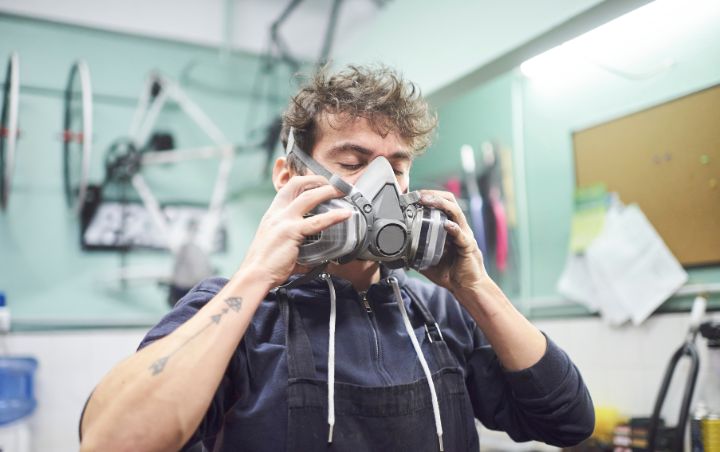
How to Identify Allergens and Sensitising Substances
A crucial first step is to systematically review the product’s Safety Data Sheet (SDS). The SDS is the primary source of information for identifying allergens, understanding health risks and determining applicable legal requirements.
Section 2 – Classification
Start by checking how the product is classified under the CLP Regulation. Pay particular attention to the following hazard statements:
H317 – May cause an allergic skin reaction
H334 – May cause allergy or asthma symptoms or breathing difficulties if inhaled
If either of these hazard statements is present, the product contains sensitising substances (allergens) and is subject to specific requirements under occupational health and safety legislation, including COSHH.
Section 3 – Composition / information on ingredients
Next, review Section 3 to identify which substances the product contains. It is particularly important to determine whether the product includes thermosetting plastic components such as diisocyanates, epoxy resins, acrylates or organic acid anhydrides, and in what concentrations.
The concentration of allergenic substances can be decisive for which legal obligations apply – especially regarding mandatory training and health surveillance.
Section 15 – Regulatory information
Section 15 provides information on applicable UK and EU legislation, such as:
EU REACH or UK REACH requirements
restrictions or authorisation obligations
training requirements or use limitations
occupational exposure controls
This section offers a useful overview of the employer’s regulatory responsibilities when working with allergens.
Allergens that are not always clearly classified
It is important to note that some chemical allergens do not always result in the entire product being classified as sensitising under CLP. A common example is cyanoacrylates, which can cause severe allergic reactions even when the product does not carry H317 or H334.
For this reason, employers should not rely solely on the classification in Section 2 of the SDS, but should also actively identify known allergenic substances listed in the product composition.
Legal Requirements for Allergens and Thermosetting Plastics
UK requirements – COSHH
In the UK, allergens and sensitising substances are regulated primarily under the Control of Substances Hazardous to Health (COSHH) Regulations 2002, supported by guidance from the Health and Safety Executive (HSE).
General COSHH requirements
COSHH applies to all substances hazardous to health, including chemical allergens classified as skin or respiratory sensitisers. Employers must:
carry out and document a suitable and sufficient COSHH risk assessment
prevent exposure where reasonably practicable, or adequately control it
implement appropriate control measures, such as local exhaust ventilation or closed systems
ensure that control measures are used correctly and regularly checked
provide relevant information, instruction and training to employees
ensure suitable signage where exposure risks exist
Health surveillance under COSHH
Health surveillance is required where there is a risk of occupational disease, including skin sensitisation and occupational asthma. This includes:
pre-placement assessments where appropriate
ongoing surveillance to detect early signs of dermatitis or respiratory symptoms
prompt action if symptoms occur, including review of controls and work suitability
Health surveillance is particularly important when working with respiratory sensitisers, such as diisocyanates.
EU and UK REACH requirement – diisocyanate training
A specific legal requirement applies to products containing monomeric diisocyanates above 0.1% by weight. This requirement originates from EU REACH and continues to apply in Great Britain under UK REACH.
Workers who handle these products must complete mandatory training at the appropriate level, depending on their tasks and exposure scenarios.
Employers are responsible for:
ensuring that workers complete the correct level of training before use
repeating training at the required intervals
documenting completed training

Practical Recommendations for Safer Handling of Allergens
To reduce the risks associated with allergens and sensitising substances, employers should:
inventory and identify all allergenic products used in the workplace
prioritise substitution, particularly for substances that cause respiratory sensitisation
limit handling time where possible, for example when working with cyanoacrylates
ensure correct labelling and signage
regularly review training records and health surveillance outcomes
carry out thorough risk assessments, especially when working in shared premises or with contractors
Digital chemical management systems can provide valuable support by enabling searches based on CLP classification, highlighting restricted substances and flagging products that are subject to specific legal requirements.
Allergens and thermosetting plastics present significant risks – both to individuals and to organisations. By understanding EU and UK legal requirements, working systematically with COSHH risk assessments and ensuring appropriate knowledge, training and protective measures, employers can reduce the risk of serious health effects while remaining compliant with current legislation.
Do you have any questions? We are here!
Our EHS consultants have extensive experience in environmental and chemical management work and are here to help you improve safety and ensure legal compliance. We also offer training in environmental and workplace legislation, REACH, chemical management and risk assessment.
Do you have any questions? Don’t hesitate to contact us by clicking the button below or emailing us directly at consulting@intersolia.com.