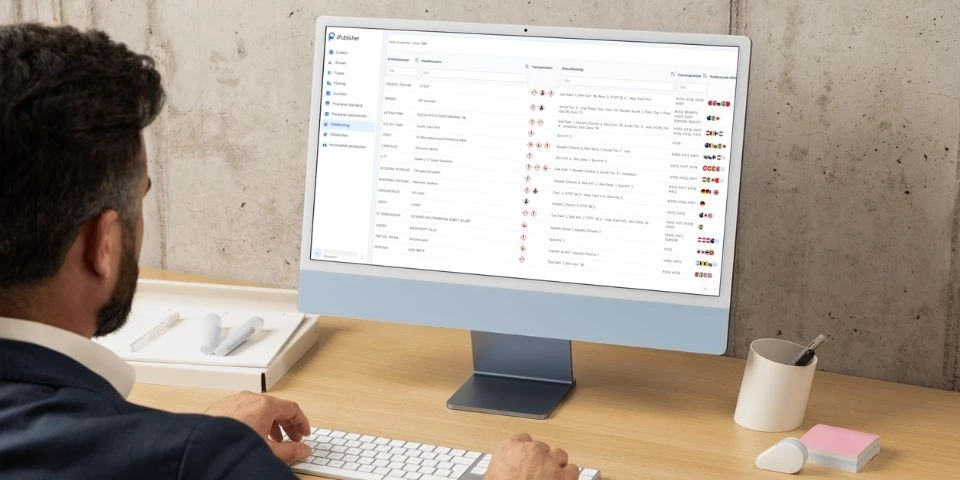
Many organisations invest in broad EHS systems to bring occupational health and safety, environmental management and compliance together in a single platform. This can be an effective way to gain oversight of different areas of the business. However, when it comes to chemical management, challenges often arise.
Chemicals are subject to extensive regulatory requirements, require continuous updates, and place high demands on documentation, risk assessments and information sharing. As a result, chemical management can rarely be treated as just another module within a larger system.
In this article, we explore seven reasons why a generic EHS system is often not enough for chemical management – and why many organisations choose a dedicated chemical management system instead.
7 Reasons Why a Generic EHS System Isn't Enough For Chemical Management
1. Chemical Regulations Require Specialised Support
Chemical management is governed by a wide range of regulations and requirements, including the CLP Regulation, REACH, national occupational health and safety legislation, and environmental regulations. In addition, legislation is constantly evolving as substances are newly classified, restricted or phased out.
Many generic EHS systems are designed to manage occupational health and safety, incident reporting and document control at a high level. However, they are rarely built with chemical compliance as a core function.
A dedicated chemical management system is specifically designed to support the processes and regulatory requirements unique to chemical management. This makes it easier to maintain compliance and reduce the risk of non-conformities during inspections and audits.
2. Safety Data Sheets Must Always Be Up to Date
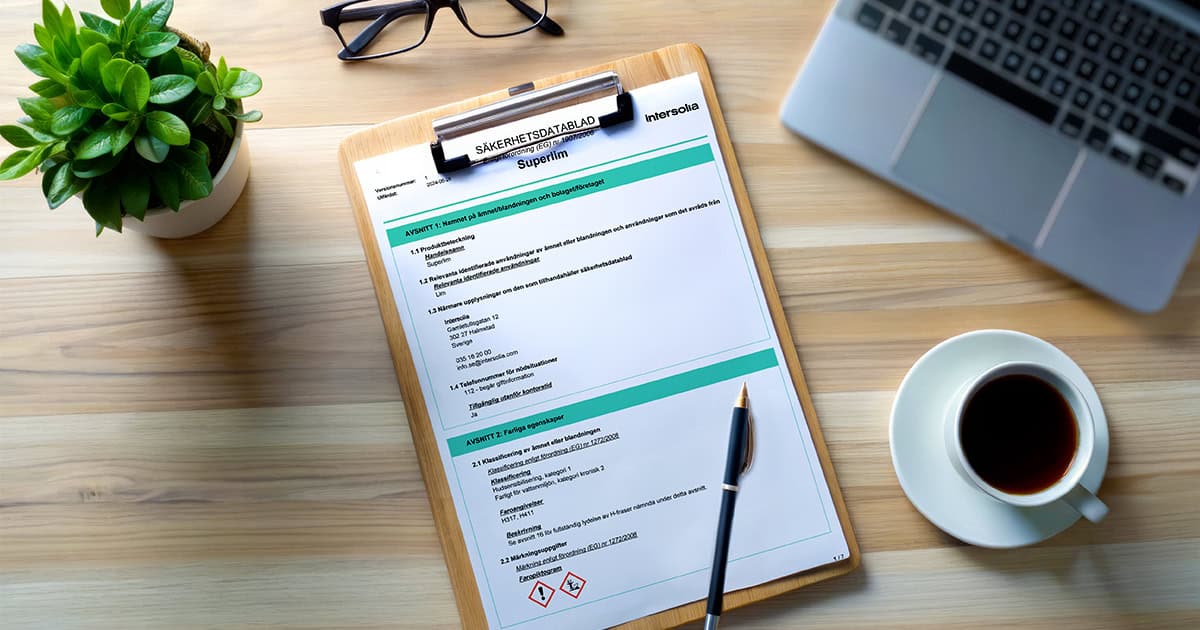
Safety Data Sheets (SDSs) form the foundation of safe chemical management. If the information is outdated, both risk assessments and protective measures may be based on inaccurate data.
In many generic EHS systems, SDSs are managed as uploaded documents. This means someone must monitor updates, upload new versions and ensure that the latest information reaches the right people.
A chemical management system can automate much of this process by continuously retrieving, updating and distributing SDSs. The result is less administration and greater confidence that the organisation is always working with current information.
3. Chemical Risk Assessments Depend on Accurate Data
Risk assessment is a fundamental part of chemical management. To perform an effective assessment, organisations need access to up-to-date information on classifications, hazardous properties, exposure risks and recommended control measures.
When chemical data is spread across multiple systems or documents, the process becomes both time-consuming and prone to errors.
A dedicated chemical management system brings all relevant information together in one place and connects it directly to the risk assessment process. This makes it easier to carry out consistent and quality-assured assessments.
This is another example of why a generic EHS system often falls short for organisations that handle chemicals extensively.
4. A Chemical Inventory Needs to Be More Than Just a List
Many organisations use hundreds or even thousands of chemical products. To work safely, they need to know which products are being used, where they are located, how much is stored and what risks they present.
In generic EHS systems, chemical inventories often become little more than databases or document lists. The information may lack clear links to SDSs, risk assessments, regulatory requirements and areas of use.
A chemical management system is designed to provide a complete overview of an organisation’s chemicals and how they are used. This creates better control and supports both day-to-day operations and long-term follow-up.

In this article, we explain why chemical inventory management is so important and how to get started in six clear steps.
5. Substitution Requires the Right Tools
The pressure to reduce the use of hazardous substances continues to grow. Many organisations actively work to identify and phase out substances that may pose risks to people or the environment.
To do this effectively, businesses often need support in identifying substances such as CMRs, PFAS, Candidate List substances and other substances of very high concern.
Generic EHS systems often lack dedicated functionality for managing substitution processes. As a result, organisations may need to gather information manually from multiple sources.
A chemical management system can support substitution efforts by identifying products that contain undesirable substances and helping organisations prioritise their work.
6. Audits and Inspections Require Fast Access to Information
During inspections or internal audits, organisations are often required to provide documentation at short notice. This may include chemical inventories, SDSs, risk assessments or records of implemented actions.
When information is spread across multiple systems, folders or spreadsheets, the process becomes both time-consuming and stressful.
A chemical management system centralises documentation and chemical data, making it much easier to access the information that inspectors, auditors and stakeholders require.
This not only supports regulatory compliance but also saves valuable time for those responsible for chemical management.
7. Specialised Systems Reduce Administration
One of the main arguments in favour of generic EHS systems is that everything can be managed within a single platform. However, if the chemical management functionality is limited, organisations often end up relying on manual processes, separate registers or additional tools.
The result is duplicated work, increased administration and a greater risk of errors.
A dedicated chemical management system is designed specifically for the tasks chemical managers deal with every day. Automated updates, integrated workflows and quality-assured data reduce administrative burden and allow more time to be spent improving safety and compliance.

Summary
Generic EHS systems can provide valuable support for many aspects of health, safety and environmental management. However, chemical management comes with unique requirements that often demand more specialised functionality.
Keeping Safety Data Sheets up to date, carrying out chemical risk assessments, managing substitution programmes, maintaining chemical inventories and ensuring regulatory compliance are all areas where a dedicated chemical management system can make a significant difference.
For organisations that regularly handle chemicals, the decision is not simply about consolidating information into a single system. It is about ensuring that the right tools are in place to create a safer, more efficient and fully compliant approach to chemical management.
Get More Than Just an EHS System
A dedicated chemical management system helps you keep Safety Data Sheets up to date, streamline risk assessments and ensure regulatory compliance – while reducing administrative workload.
Book a free demo and discover how iChemistry can simplify your chemical management processes.